Energy performance
Lower U-factor means less heat loss; lower SHGC means less solar heat gain. Both matter in our climate zones.
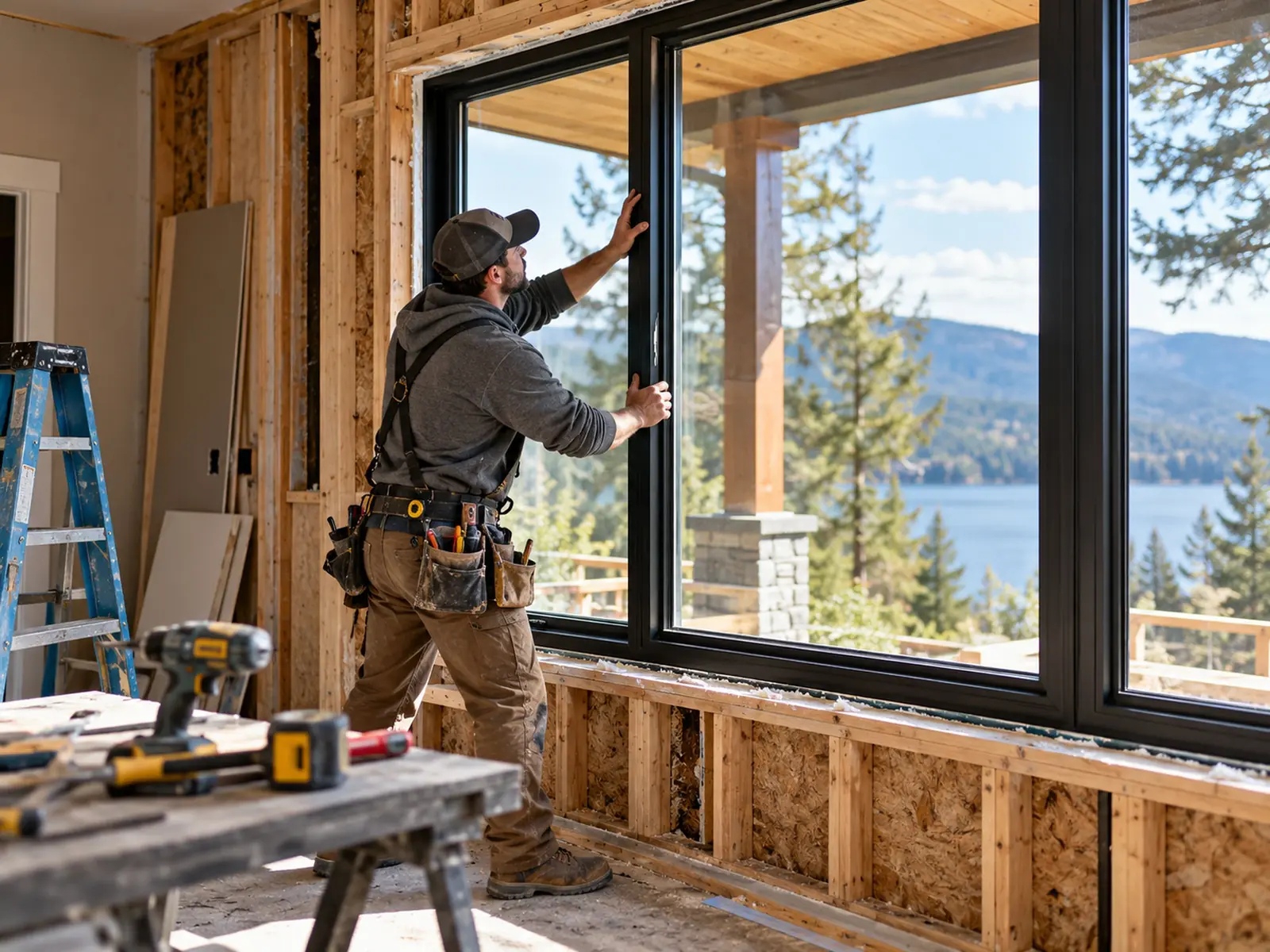
Window & door replacement
Any brand and product line you choose, installed as a stand-alone project or as part of a remodel, with flashing, weatherproofing and stucco or trim finished properly.
Why installation matters
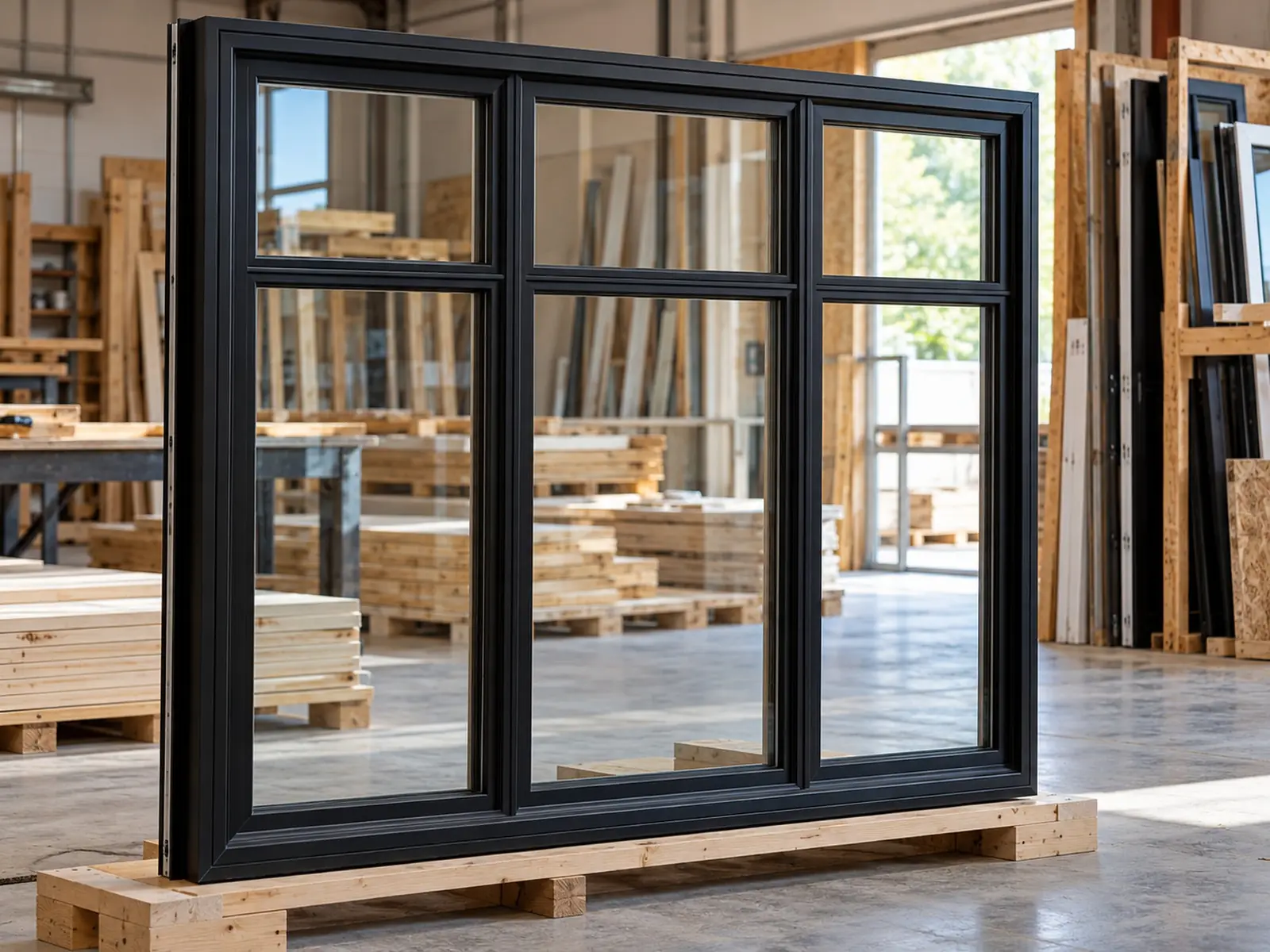
Window performance depends as much on installation as on the product. Flashing, the connection to the weather barrier and the stucco or siding repair around the opening decide whether a window stays dry.
The contractor we connect you with installs all brands of windows and exterior doors, can help you compare product lines on energy performance, frame material, style and budget, and installs them with the flashing details each manufacturer specifies.
Retrofit (insert or flush-fin) windows fit into the existing frame or over the existing opening without removing exterior stucco, which keeps cost down. New-construction (nail-fin) windows replace the whole unit down to the framing and are flashed into the wall, which is the most watertight approach but requires stucco or siding repair. Our window replacement guide explains when each makes sense.
Replacing every window at once is often paired with a remodel, when walls are already open and new-construction windows can be flashed in properly. In older homes, matching the original window style can matter as much as the installation method.
Entry doors, French doors and sliding patio doors, including reframing when an opening is widened or a window becomes a door: header, threshold, flashing and finish trim.
Replacement windows in California must meet the Title 24 energy code. In Ventura County and the South Coast that means a maximum U-factor of 0.30 and SHGC of 0.23 under the 2025 code, with a small-replacement exception. See the guide for details.
Choosing windows
Lower U-factor means less heat loss; lower SHGC means less solar heat gain. Both matter in our climate zones.
Vinyl, fiberglass, wood-clad and aluminum differ in cost, durability, sightlines and how well they suit the home's style.
Retrofit saves stucco work; new-construction gives the best flashing. The right choice depends on the condition of the existing openings.
Questions
Yes. The contractor installs all brands and can help you compare options.
Retrofit windows avoid most stucco work and cost less. New-construction windows give the most watertight installation and are best when frames are damaged or walls are already open. See our window replacement guide.
It depends on the city. Some building departments exempt simple retrofits; others require a permit for any window replacement, and changing an opening always involves more review. Replacement windows must meet the Title 24 energy code either way.
Yes. That involves cutting the wall down, installing a properly sized header and flashing the new door. If the wall is load-bearing, engineering is required.
Related services

Layout changes, wall removal and systems upgrades, with every room planned together.
Learn more →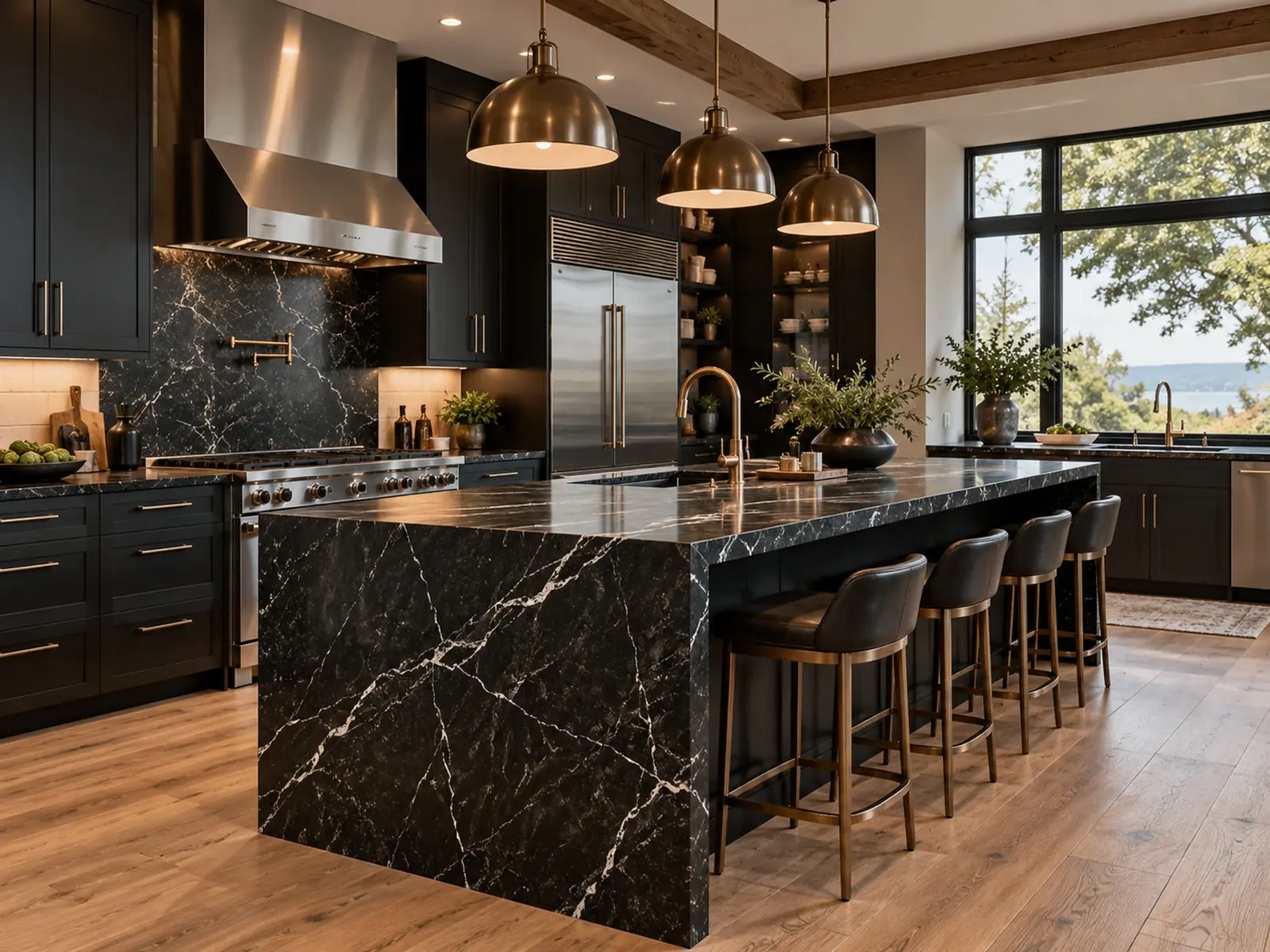
Layouts, islands, cabinets, counters and lighting, with plumbing and electrical done right.
Learn more →
Walk-in showers, tubs, tile and vanities, built on waterproofing that lasts.
Learn more →Service areas
Free consultation
Share a few details about your home and what you want to change or build. We will connect you with an experienced, licensed local general contractor who handles projects like yours.